A CellXperience studio · scientific software

CellXapps

Lab software, built at the bench.

Turning raw data into one publication-ready figure can cost you an afternoon: a spreadsheet, a stats package, a script or two, an image editor, a word processor. CellXapps replaces that chain with focused tools, one per job, each shaped around how the experiment was actually run. Released one at a time, mostly free.

  • 1 app shipped, 6 on the way
  • Rigorous statistics, by default
  • Your data stays on your machine

Every figure is a relay race between programs that were never meant to pass the baton. CellXapps gives each job a single app that carries it from the instrument to the manuscript.

Seven tools. One way of working.

Each app owns a single, unglamorous part of the workflow that quietly eats your week, and carries it from raw data to a figure you can publish. Same conventions, same rigor, the same generated Methods section and one-click export across all of them.

Amplification
qPCRLytics In development

qPCR

Raw qPCR from any instrument into publication-grade figures, rigorous statistics, and a MIQE-compliant Methods section.

Any instrumentMIQE MethodsAuto stats
Notify me at release
Allelic discrimination
SNPlytics In development

Genotyping

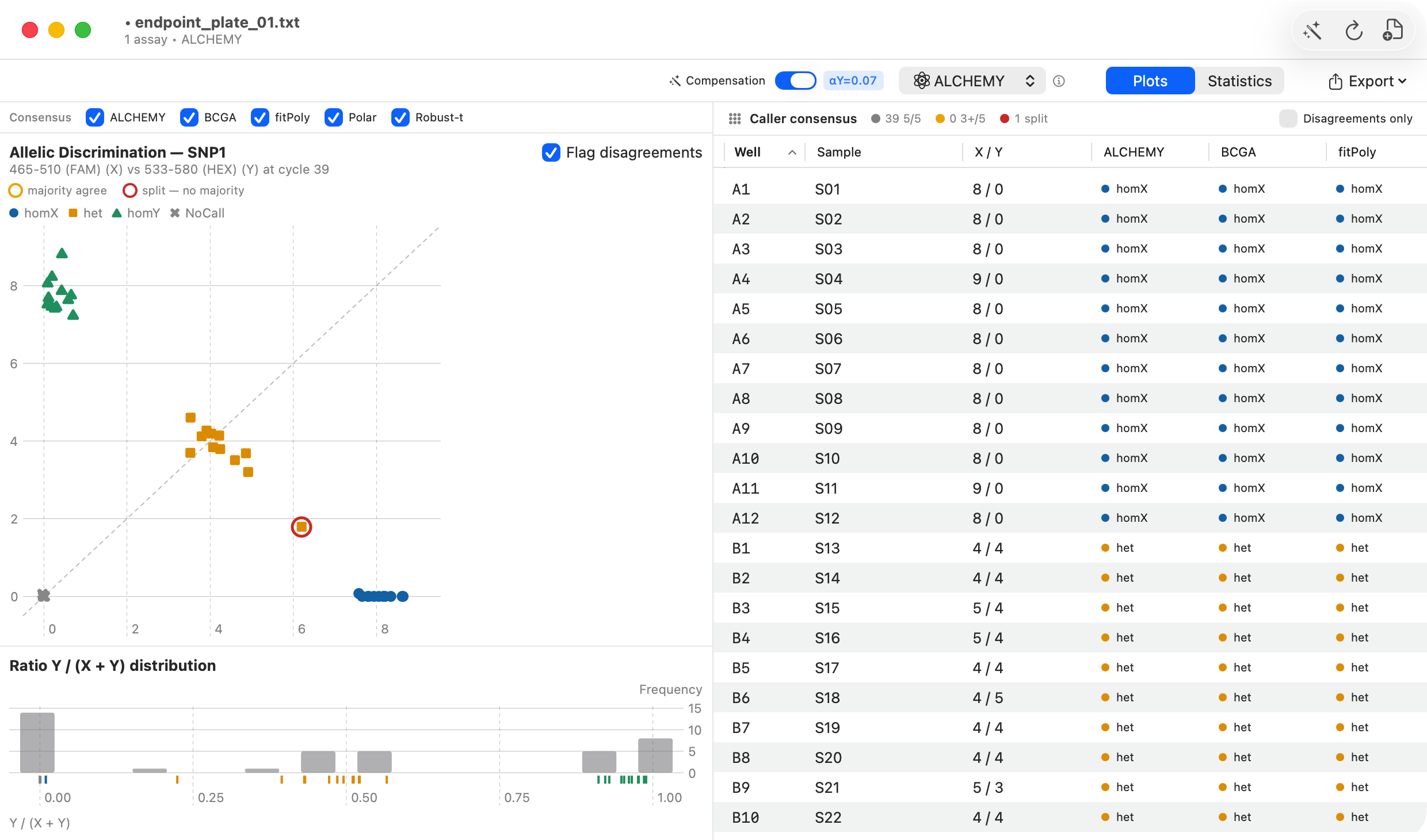
TaqMan SNP genotyping with five caller algorithms, plus a consensus call that combines all five.

5 callers+ consensusQC built in
Notify me at release
Copy number · consensus
CNVlytics In development

Copy number

TaqMan and qPCR data into copy-number calls with six algorithms and a consensus, each call carrying its agreement score and confidence interval.

6 algorithms+ consensusAgreement + CI
Notify me at release
Colocalization
Coloc In development

Imaging · ICC

Quantifies immunocytochemistry images with accurate colocalization readouts.

Pearson / MandersPer-cellChannel overlap
Notify me at release
Reformat · one click
ReSubmit In development

Manuscripts

Reformats your manuscript to any journal's guidelines in one click, in both Word and LaTeX.

WordLaTeXOne click
Notify me at release
Digital slides
DiHiPa In development

Pathology · institutional

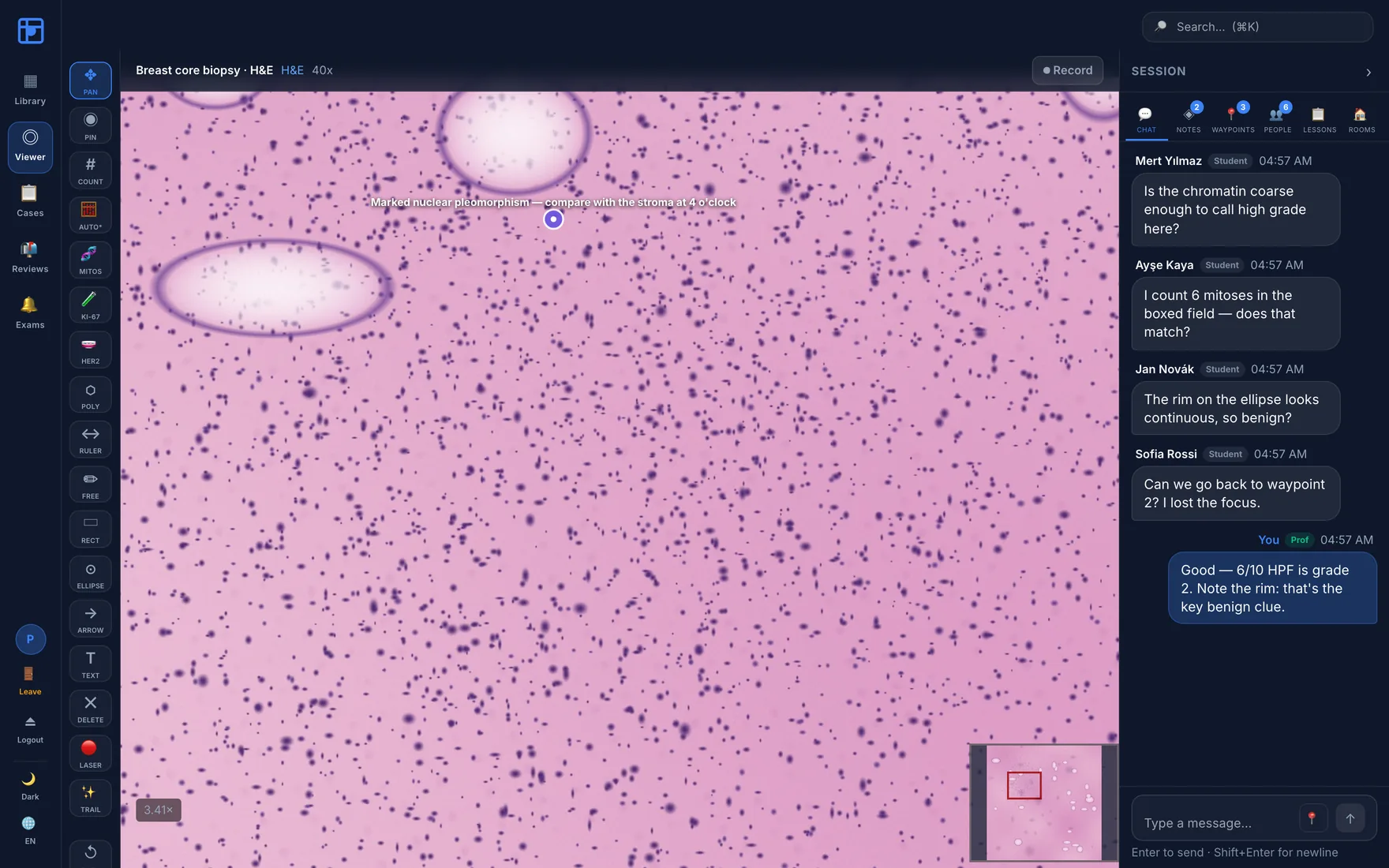
An institutional platform for digital histology and pathology: online teaching, research, and collaborative case review.

Whole-slideTeachingCase review
For institutions

The defensible parts, done for you.

Across the suite the same hard problems keep coming back: which test, which image, how to write it up, which call to trust. These are the parts that decide whether the work survives review, so CellXapps solves them once, the right way.

Methods text

The Methods section writes itself.

Not a template with blanks. A paragraph generated from the experiment you actually ran, with the citations to back it.

  • Describes your real settings: culture, imaging, instrument, statistics, MIQE for qPCR, not boilerplate.
  • Builds a numbered bibliography with genuine references, inline-cited in the text.
  • Exports as plain text, Markdown or Word, ready to paste into the manuscript.

Manuscript-ready, with a bibliography

Statistics

A biostatistician, sitting in the toolbar.

Pick the wrong test and a reviewer will find it. CellXapps reads your design and recommends one that holds up.

  • Runs the assumption checks first: normality per group, Levene, sphericity, and shows each result.
  • Recommends the test: Welch, Dunnett against the control, two-way and repeated-measures ANOVA, or a dose-response fit.
  • Explains the choice in plain language, with the methodological references behind it.

Recommends the test, shows its reasoning

Representative image

The representative image, chosen by math.

Choosing a representative micrograph by eye invites bias. CellXapps picks the replicate closest to the group mean, every time.

  • Computes each group's mean across its replicates.
  • Stars the single replicate closest to that mean as the representative one.
  • One click drops it into the figure panel. No cherry-picking, fully reproducible.

Closest-to-mean, no cherry-picking

Consensus calling

Many algorithms, one call you can trust.

For genotyping and copy number, no single caller is right every time. CellXapps runs several and reconciles them, so you see where they agree and where they do not.

  • Five SNP callers in SNPlytics, six copy-number algorithms in CNVlytics.
  • A consensus call that combines them, instead of trusting one method blindly.
  • Every call carries its agreement score and a confidence interval.

Consensus with an agreement score

I build these because I needed them. They fit the bench because the bench is where they were made.

Wet-lab scientists are rarely in the room where scientific software gets built, so the tools never quite match how the work really happens. CellXapps is the attempt to fix that, one tool at a time. The goal is simple: give you back the hours, to run more experiments, or to spend them with the people you care about.

Most of the suite is free. If a tool saves you time at the bench, buy me a coffee

Start with the one that's ready.

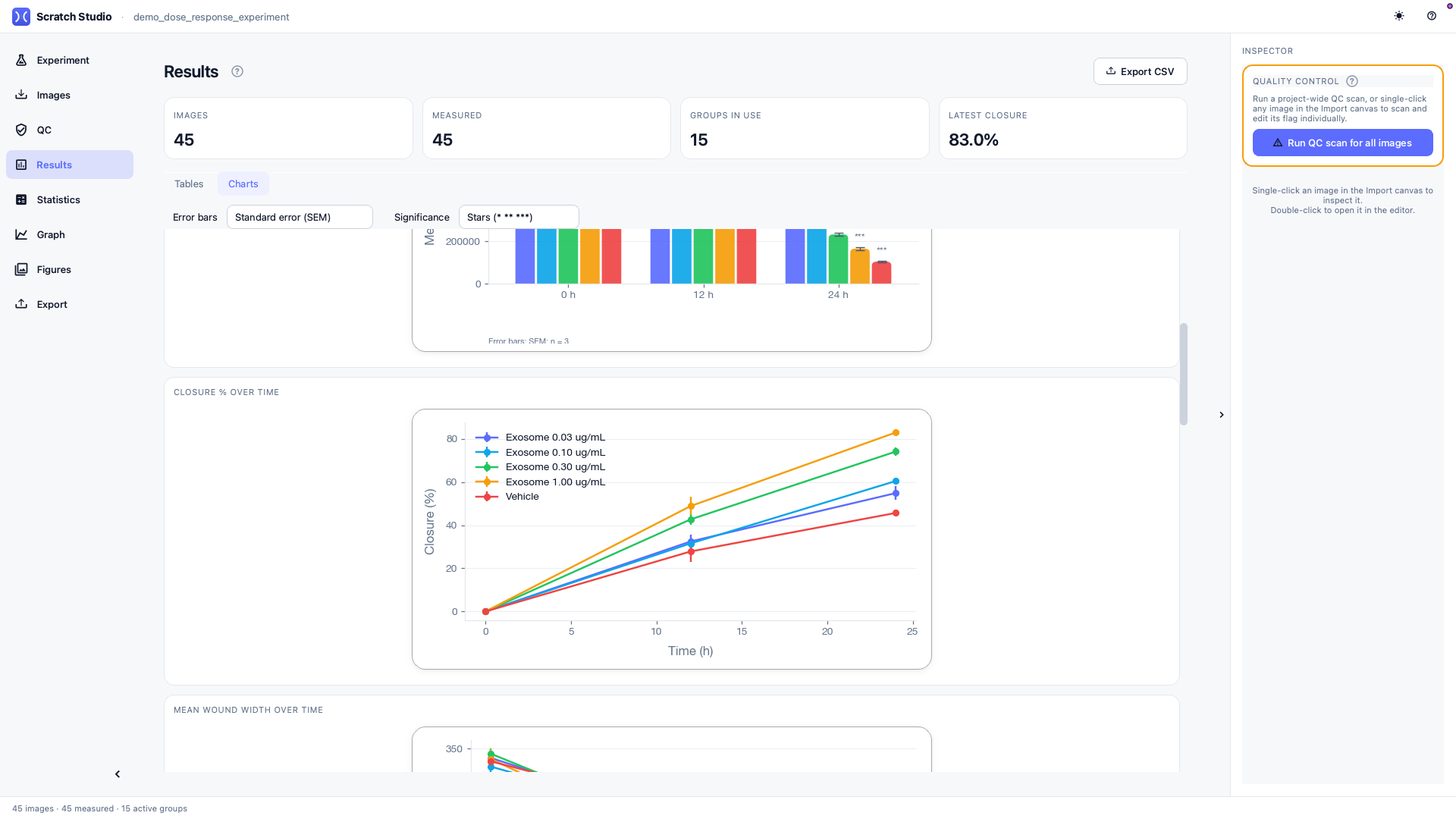
Scratch Studio is available now for macOS, signed, notarized and free for non-commercial research. The rest of the suite is on the way, released one at a time. Follow along to catch each one as it ships.

macOS 11+ Apple Silicon Free for non-commercial use

1 of 7 shipped Scratch Studio is live. Six more are in active development.
On-device The core workflow runs locally on your Mac. Your data stays with you.
Free for research PolyForm Noncommercial. Free to use and share for academic work.
A CellXperience studio The scientific-software arm of the CellXperience consultancy.